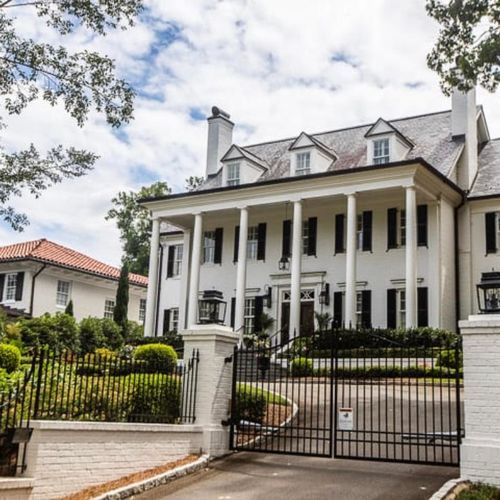

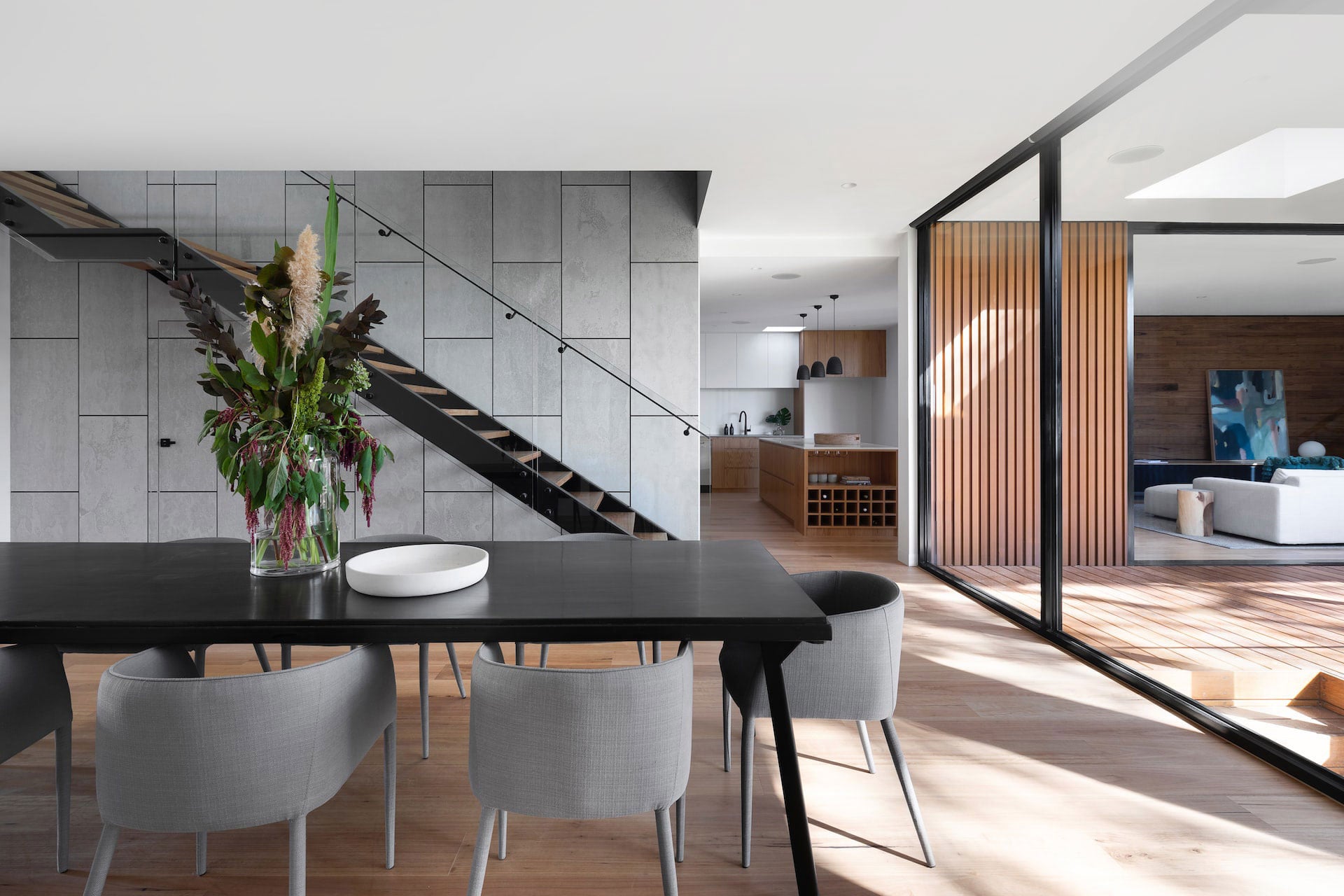
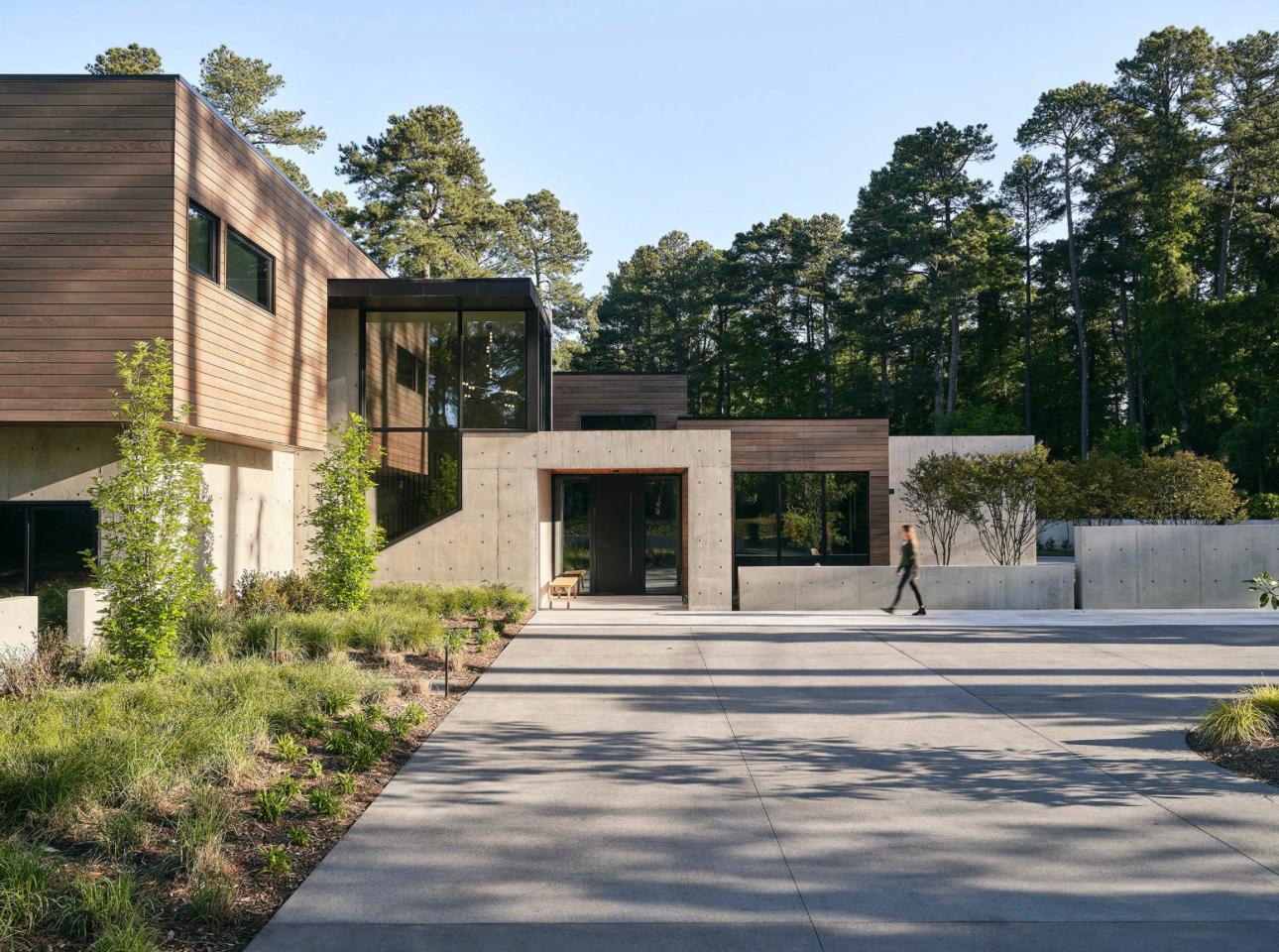
A home stamped with a recognized architect's name or a distinctive, intentional design carries a certain gravity in the marketplace. But does that gravity translate into dollars? The data increasingly says yes — though the story is more nuanced than a simple price premium.
The Case for Architectural Pedigree
Across multiple independent analyses of the residential design industry, a consistent pattern emerges: homes shaped by a licensed architect's vision tend to outperform comparable builder-grade or spec homes over time, both in resale speed and in price achieved. Industry researchers have found that thoughtfully designed homes can change hands roughly three times faster than generic alternatives, and one widely cited analysis calculated that every dollar spent on architectural fees generated more than eleven dollars in added capital appreciation over the life of the ownership.
A separate Australian study comparing architect-led renovations against standard renovations found that architect-guided properties appreciated by roughly 200 percent over the study period, compared with about 173 percent for homes renovated without architectural input — a meaningful gap that compounds significantly over a decade or two of ownership. Other research on home design quality more broadly found that superior design could lift a property's price by close to 12 percent, with that premium climbing to nearly 19 percent for homes already valued above $1.2 million, suggesting the effect intensifies as the price point rises.
Why Buyers Pay More for Design
Real estate professionals who have sold the same architect-designed homes multiple times over their careers describe a pattern: buyers walk into these spaces and sense something they often cannot articulate immediately — a quality of light, an intuitive flow between rooms, a hierarchy of spaces that simply works. That emotional resonance frequently converts into faster offers and stronger negotiating positions for sellers, even when buyers cannot name the specific architectural principle at play.
The shift toward online-first home shopping has, somewhat counterintuitively, reinforced this dynamic rather than diminished it. When buyers browse listings primarily through photographs and floor plans before ever stepping inside, distinctive and well-composed architecture stands out more, not less, from a sea of similar-looking spec construction.
What 'Pedigree' Actually Buys
- Site-specific design: An architect studies sun path, topography, and views before drawing a single wall, producing a home that fits its lot rather than a template dropped onto it.
- Durable material and detail choices: Thoughtful detailing and quality construction age more gracefully than cost-driven builder finishes, which reduces the visible wear that erodes value over a 10–20 year hold.
- Functional longevity: Architect-designed floor plans are built to serve a family through changing life stages, rather than optimizing purely for initial construction cost.
- Reduced market sensitivity: Some analyses suggest architecturally distinctive homes are less exposed to broad market swings than commodity housing stock, because their appeal isn't purely price-driven.
The Caveats Worth Knowing
Architectural pedigree is not a guaranteed multiplier, and buyers and sellers should treat it as one strong variable among several rather than a formula. A recognizable name or an award-winning design does not automatically appreciate faster if the floor plan fights the way a family actually lives, if the finishes have not aged well, or if the home sits in a location where buyer demand for distinctive design is thin. Design that photographs beautifully but sacrifices practical storage, resale-friendly bedroom counts, or reasonable operating costs can underperform a more conventional home in the same neighborhood.
It is also worth noting that most of the strongest data on architectural value comes from markets and price tiers where design-literate buyers are actively competing for distinctive properties — coastal design capitals, dense urban cores, and the upper end of regional luxury markets. In more conventional suburban markets, the premium may be real but smaller, and it tends to depend heavily on the specific architect's reputation and the quality of execution, not the concept of 'custom design' alone.
The strongest returns go to design that is both distinctive and disciplined — homes that look considered rather than merely expensive.
What This Means for Buyers and Sellers
For sellers, the takeaway is that investment in genuine architectural thought — not just upgraded finishes — tends to be recouped, and often exceeded, at resale, particularly in the upper price tiers where buyers are shopping for a story as much as a structure. For buyers, a home with real architectural integrity is worth a premium not only for the daily living experience it offers, but as a reasonably defensible long-term investment, provided the design serves practical living as well as it serves the eye. As with any real estate decision, working with an agent and, where appropriate, an independent appraiser familiar with design-forward properties in your specific market will give you the clearest picture of how much pedigree is really worth in your neighborhood.
Check out this article next