
Where the Capital City's High-End Market Is Headed
Raleigh has spent the past several years establishing itself as one of the Southeast's most closely watched luxury markets, and 2026 data suggests that momentum is shifting from breakneck growth toward something more durable.
A Market in Transition, Not Retreat
As of early 2026, Raleigh's typical home value sat at roughly $424,924 on Zillow's home value index, with local luxury bands generally starting above $630,000 and national luxury thresholds now beginning closer to $1.3 million, reflecting how much more expensive the definition of 'luxury' has become nationwide. Inventory across the market, and especially in the mid-range and luxury segments, has increased meaningfully, giving buyers more selection and pushing marketing times higher in some pockets — a real shift from the multiple-offer frenzy of a few years ago, though not a full reversal into a buyer's market.
Wake County as a whole is projected to see roughly 3 to 5 percent appreciation through the remainder of 2026, supported by continued population growth and a job market anchored by technology, biotech, and healthcare employers. The National Association of Realtors has named the Raleigh area one of the country's top housing hot spots for 2026, citing income growth of 6.3 percent year over year and job growth of 1.3 percent as key underlying drivers, alongside the observation that a 30-year mortgage rate near 6 percent would newly qualify roughly 27,000 additional Raleigh-area households for a median-priced home.
Luxury Outperforming the Broader Market
The Triangle's high end has been particularly resilient. The region recorded more than 900 million-dollar home sales recently, a figure that underscores how deep buyer demand remains at the top of the market even as the broader market rebalances. This mirrors a national pattern in which luxury real estate has continued to outperform the general housing market, buoyed by strong equity markets, record wealth concentration, and a wave of buyers who are considerably less sensitive to mortgage rates than the market as a whole.
What's Driving Demand
- In-migration: The Triangle continues to draw relocating professionals and retirees from higher-cost metros, a trend regional real estate leaders describe as simply 'following the moving trucks.'
- Research Triangle employment base: A durable mix of technology, biotech, pharmaceutical, and healthcare employers continues to anchor high-income household formation.
- Cash-heavy, wealth-driven buyers: As with the national luxury market, Raleigh's upper tier is increasingly populated by buyers less exposed to financing costs.
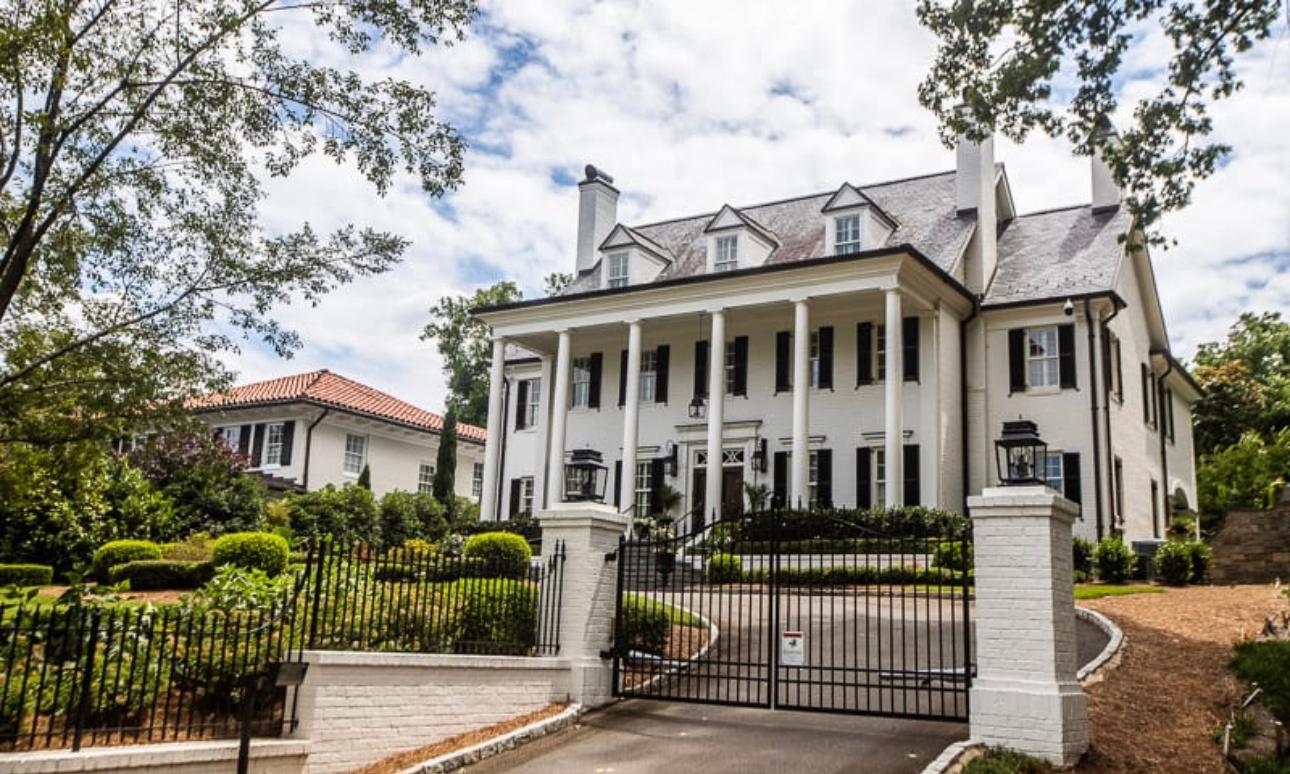
- Limited historic-district and gated-estate inventory: Neighborhoods like Hayes Barton and Avalaire have a naturally constrained supply of homes, supporting price resilience even as the broader market loosens.
Where Softness Remains
Not every signal points straight up. Some luxury sellers are seeing longer days on market than in recent years, particularly where pricing has not been calibrated tightly to hyper-local comparables rather than citywide medians. Mortgage rates, while improved from recent peaks — Freddie Mac reported the 30-year fixed near 6.11 percent in early February 2026 — remain a headwind for move-up buyers financing a purchase, even if they matter less to the market's very top tier.
Raleigh's luxury segment is decoupling from the broader market in the same way high-end housing has nationally — moving on its own rhythm, driven by wealth and lifestyle rather than rate sheets.
Looking Ahead
The consensus among local and national forecasters is one of cautious optimism rather than a dramatic correction. Raleigh's luxury market is expected to keep pace with, or modestly outperform, the broader Triangle housing market through 2026 and into 2027, supported by continued economic fundamentals and the same national forces reshaping luxury real estate everywhere — generational wealth transfer, a younger cohort of affluent buyers, and a growing emphasis on wellness-oriented, multigenerational living. For buyers and sellers alike, the practical implication is the same: success in this market increasingly depends on hyper-local knowledge of specific neighborhoods and price bands, rather than broad citywide assumptions.
Check out this article next