
Price and value are not the same measurement. Understanding the difference is the entire game at the top of the market.
It's tempting to treat Raleigh's most expensive listings as its "best" homes by definition. But price and value measure two different things: price is what a home costs today, while value is what it's likely to protect, appreciate, or deliver in return relative to that cost. In a market where the $700,000-plus tier carries the deepest inventory and the longest average days on market of any price band in Raleigh, a lot of expensive homes are quietly underperforming — while some far less flashy properties are quietly outperforming them.
Where the Gap Between Price and Value Shows Up
Over-Improved Homes for Their Street
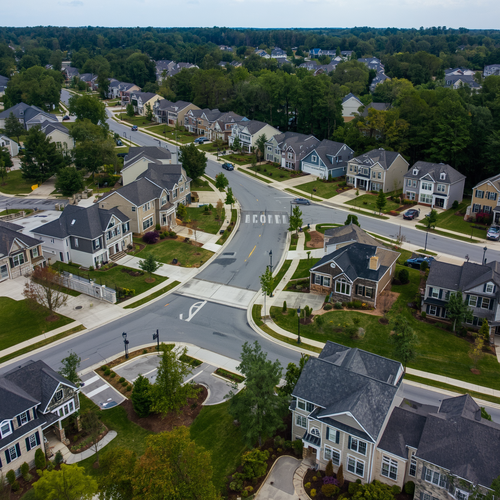
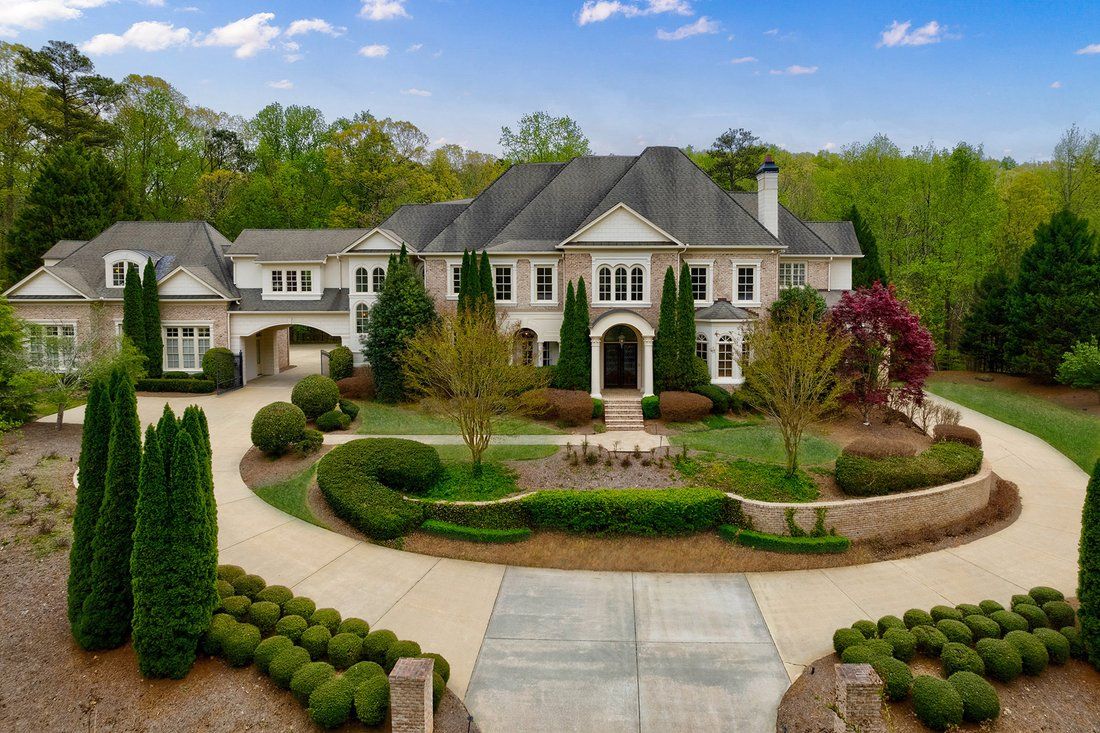
A beautifully renovated or newly built $1.4 million home on a street where most comparable sales top out at $900,000 will always face a ceiling — appraisers and future buyers alike anchor heavily to the surrounding comparable sales, not just the home's individual features. This is one of the most common ways an expensive home fails to hold its value: the improvements outpaced what the location itself could support.
Trophy Features That Don't Translate to Broad Demand
Elaborate, highly personalized features — a large formal wine cellar, an unusually specific floor plan, extensive custom millwork in a very particular style — can cost enormous sums to build but appeal to only a narrow slice of future buyers. These homes often carry high price tags reflecting what they cost to construct, not what a broad buyer pool is willing to pay for them.
Location Risk Priced Optimistically
A large, expensive home adjacent to an active or planned construction corridor, on a lot with drainage or flood exposure, or facing a busy road can carry a price tag built on the home's specifications alone — without fully discounting for location risk that will matter enormously to the next buyer.
Where the Real Value Often Hides
- Well-located homes below the neighborhood ceiling. A solidly built, moderately updated home priced meaningfully under its street's top comparable sales has more room to appreciate and typically sells faster, precisely because it isn't testing the market's upper limit.
- Larger lots in areas with favorable zoning. Given Raleigh's missing-middle reforms, a lot capable of supporting a duplex, triplex, or accessory dwelling unit can carry real long-term value that a simple price-per-square-foot comparison completely misses.
- Proximity to confirmed, funded infrastructure. Homes near the four Bus Rapid Transit corridors now under construction or design, or within walking distance of Dix Park's ongoing build-out, benefit from public investment that's already committed — a much more reliable value driver than speculative future development.
- Homes in historically constrained-supply districts. Neighborhoods like Hayes Barton or Historic Oakwood have a naturally limited number of homes that will ever exist, supporting long-term price resilience regardless of short-term market swings.
A Real-World Illustration
| Home A: Expensive | Home B: Valuable |
List Price | $1.45M | $975K |
Neighborhood ceiling (recent comps) | $1.1M – $1.2M | $1.1M – $1.3M |
Lot / zoning potential | Standard single-family only | Missing-middle eligible, larger lot |
Proximity to funded infrastructure | None nearby | Near a confirmed BRT corridor |
Likely days on market | Longer — above neighborhood ceiling | Shorter — priced with room to appreciate |
Home A isn't a bad house. It may be beautifully built and perfectly livable. But it's priced above what its immediate market has demonstrated it will pay, in a segment already carrying the longest average time on market citywide. Home B, priced with room below its neighborhood's demonstrated ceiling and sitting on a lot with genuine future flexibility, is the one more likely to hold and grow its value over a five-year horizon — even though it costs nearly $500,000 less today.
How to Evaluate Value, Not Just Price
- Pull the tightest possible comparable set — same street or immediate micro-neighborhood, not a citywide or even zip-code-wide average.
- Check the zoning classification, not just the current use, to understand what the lot could support beyond its existing structure.
- Map the property against confirmed infrastructure investment — BRT corridors, park expansions, and major approved developments — rather than speculative rumors.
- Ask how many buyers, realistically, would want this home's specific features — highly personalized upgrades often cost more to build than they add to resale value.
- Look at days-on-market history for similar price points in the immediate area, not the citywide average, since the luxury tier behaves very differently from the broader market.
The most expensive home on the block tells you what someone was willing to spend. It doesn't tell you what the next buyer will be willing to pay.
The Bottom Line
In a market where luxury inventory is deep and days on market are long, price alone is a poor proxy for quality of investment. The homes most likely to protect and grow their value over the next five years are rarely the most expensive listing on the street — they're the ones priced with room below their neighborhood's ceiling, positioned near confirmed infrastructure investment, and sitting on land with genuine long-term flexibility.
SOURCES & RESEARCH
Figures in this article reflect data compiled from Redfin, Zillow, Doorify MLS/Triangle MLS, the St. Louis Federal Reserve (FRED), Freddie Mac, the National Association of Realtors, the City of Raleigh, the Wake County Transit Plan, Dix Park Conservancy, and Triangle-area business and news outlets including WRAL, Axios Raleigh, and the Triangle Business Journal, current as of August 2026. Market conditions change quickly; for a personalized read on your street or price point, connect with the SteelOak RES team.
Check out this article next