
Raleigh spent a decade being called an 'emerging' luxury market. In 2026, it's worth asking whether that window has already closed.
For much of the last decade, Raleigh has appeared on national lists of luxury markets to watch — cited alongside Nashville, Charlotte, and Austin as a Southeastern metro poised for outsized high-end appreciation. In 2026, with more than 900 million-dollar sales recorded across the Triangle in the recent reporting period and the National Association of Realtors naming the region a top housing hot spot, it's fair to ask: is Raleigh still on the way up, or has the early-mover opportunity already been captured by buyers who got in years ago?
The Case That the Opportunity Is Still Open
Raleigh's typical home value sits in the low-to-mid $400,000s in 2026, meaningfully below where comparable Sun Belt tech-and-relocation hubs like Austin sit today, and well below coastal luxury benchmarks. Locally, the practical luxury entry point runs $630,000 to $700,000 — still accessible relative to national luxury thresholds now closer to $1.3 million. That gap is precisely the argument for continued opportunity: buyers priced out of Austin, Nashville, South Florida, or the coasts continue to find genuine value in Raleigh's luxury tier, and that relative-value dynamic hasn't disappeared even as the city's profile has risen.
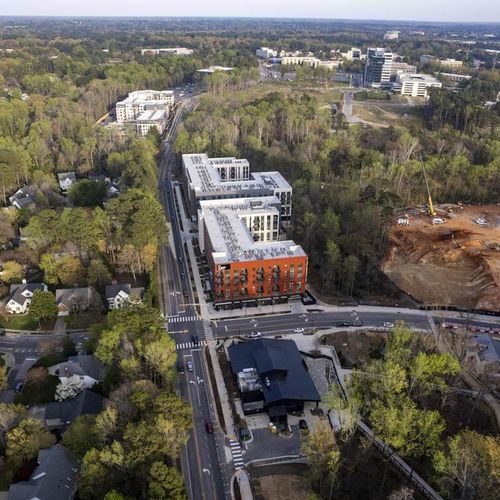
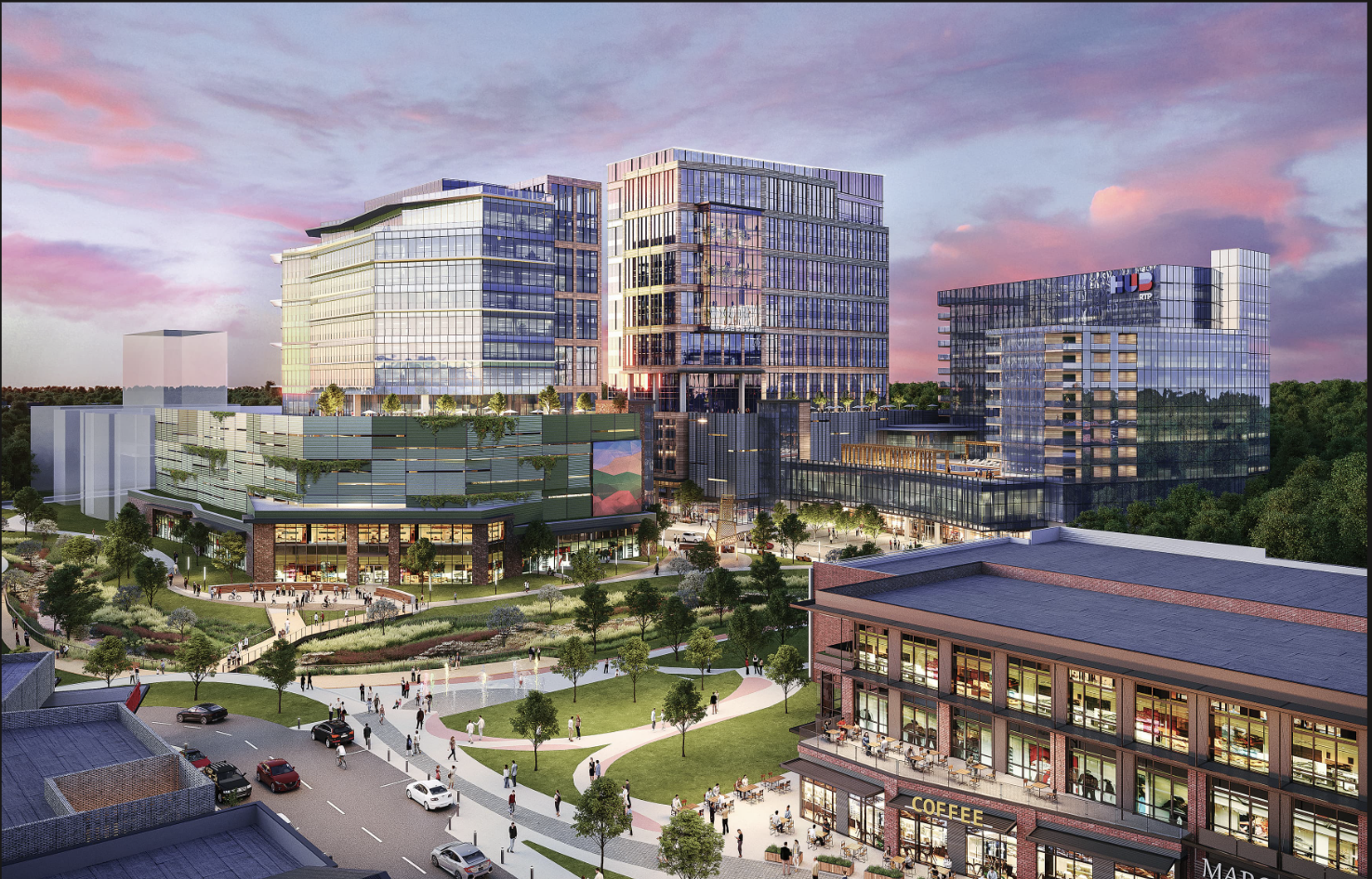
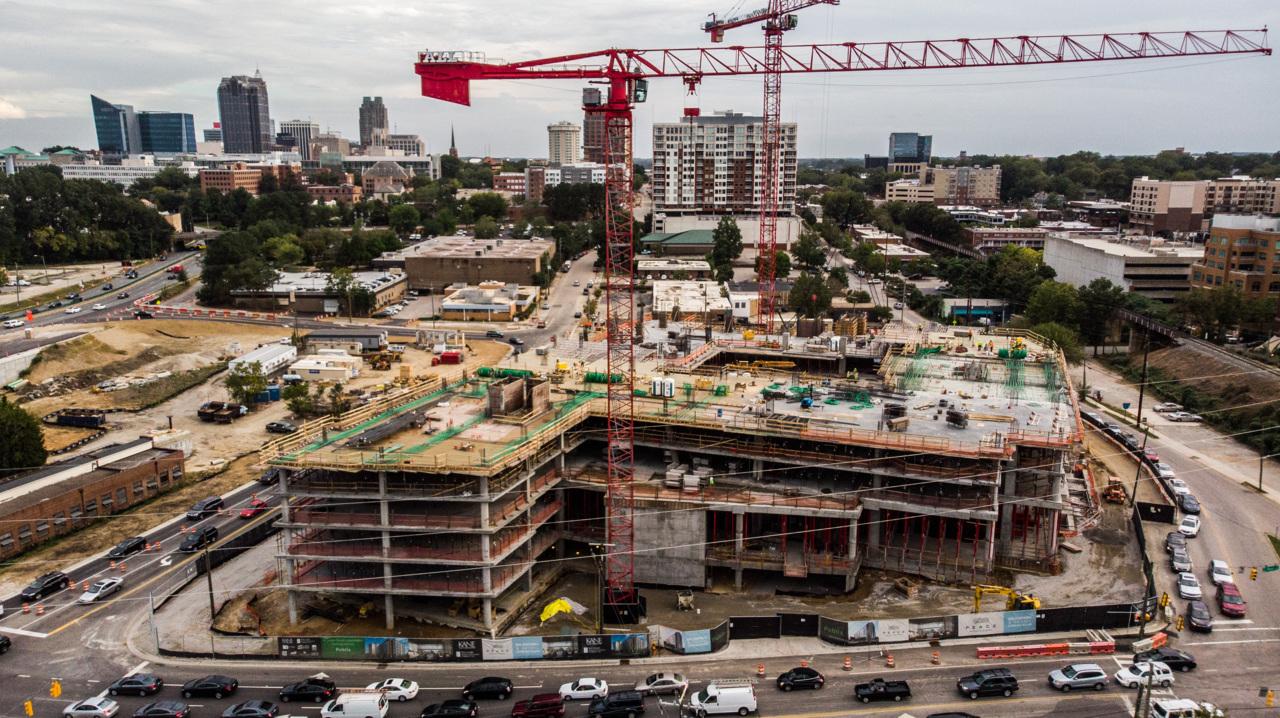
The fundamentals underneath that value proposition remain intact. Wake County has passed one million residents and continues adding more than 60 people a day. The Research Triangle's employment base — technology, biotech, pharmaceuticals, and healthcare — is diversified enough to avoid the boom-bust pattern of single-industry-dependent luxury markets. And the physical transformation of the city, from Dix Park's 308-acre build-out to the 140-acre Downtown South district to four new Bus Rapid Transit corridors, represents genuinely new, committed infrastructure investment rather than speculative promise — the kind of investment that tends to support long-term luxury appreciation in the neighborhoods it touches.
The Case That Much of the Early Opportunity Is Gone
The counterargument is straightforward: the easiest gains in an emerging luxury market come from buying before the market recognizes what it's becoming. Raleigh has already been recognized. National real estate media, the National Association of Realtors, and a decade of corporate relocation coverage have made Raleigh's growth story well known, which means much of the "undiscovered" pricing advantage that existed five or ten years ago has already been priced in. North Hills home values, for example, climbed more than 31 percent in a single year according to early-2025 data — a pace of appreciation that reflects a neighborhood already being actively bid up, not one waiting to be discovered.
At the same time, the luxury segment specifically is showing real signs of softening at the margins: the $700,000-plus tier currently carries the deepest inventory and the longest average days on market of any price band in the city, and new luxury supply is growing quickly, driven by a sharp rise in teardown-and-rebuild activity (252 demolitions in 2025, more than double 2024's total) that's adding fresh, high-end inventory to some of the very neighborhoods early investors bet on.
What's Actually True: A Market That's Matured, Not Peaked
The most accurate read sits between the two extremes. Raleigh is no longer an undiscovered luxury market in the way it may have been a decade ago — that early-stage opportunity, defined by buying ahead of broad recognition, has largely passed. But "discovered" and "finished appreciating" are not the same thing. What Raleigh has instead is a maturing luxury market with real, durable demand drivers, a physical infrastructure buildout that's still years from completion, and pricing that remains genuinely attractive relative to the higher-cost metros many of its buyers are relocating from.
Raleigh's luxury market is expected to keep pace with, or modestly outperform, the broader Triangle housing market through 2026 and into 2027 — cautious optimism rather than a dramatic correction, and a long way from a market that's run out of room.
Where the Remaining Opportunity Actually Sits
- Neighborhoods adjacent to, but not yet inside, the current luxury core — areas near Dix Park's expansion, the Downtown South footprint, or the confirmed Bus Rapid Transit corridors that haven't yet seen the appreciation North Hills or Five Points have already experienced.
- Land and teardown-eligible lots in missing-middle zoning districts, where the underlying value opportunity is tied to zoning and redevelopment potential rather than the current structure's finishes.
- Well-located mid-luxury properties (roughly $700,000 to $1 million) priced with genuine room below their neighborhood's ceiling, in a segment currently carrying enough inventory that patient, well-informed buyers can still negotiate real value.
- Longer-hold investment strategies aligned with infrastructure timelines — BRT service isn't fully online across all four corridors until 2030, meaning the appreciation tied to that investment is still, by definition, ahead of the market rather than behind it.
The Bottom Line
Raleigh hasn't missed its moment as a luxury market — it's transitioned out of the phase where simply buying in generated outsized returns and into a phase that rewards more specific, informed decisions: the right neighborhood relative to infrastructure investment, the right lot relative to zoning, and the right price relative to hyper-local comparables rather than citywide headlines. For buyers and investors willing to do that homework, the opportunity is still real. For those hoping to replicate the easy gains of a decade ago simply by showing up, that window has genuinely narrowed.
SOURCES & RESEARCH
Figures in this article reflect data compiled from Redfin, Zillow, Doorify MLS/Triangle MLS, the St. Louis Federal Reserve (FRED), Freddie Mac, the National Association of Realtors, the City of Raleigh, the Wake County Transit Plan, Dix Park Conservancy, and Triangle-area business and news outlets including WRAL, Axios Raleigh, and the Triangle Business Journal, current as of August 2026. Market conditions change quickly; for a personalized read on your street or price point, connect with the SteelOak RES team.
Check out this article next