

Every bespoke home is custom, but not every custom home is bespoke. The difference lies in where the design starts, who shapes it, and how far the craft goes.
In luxury real estate, the word custom gets stretched. A builder who lets you choose from three cabinet colors calls the home custom; so does an architect who spends a year designing a house around a single 150-year-old oak. Both are using the word honestly, but they are describing very different experiences. Knowing where your project falls on that spectrum helps you set the right budget, timeline and team.
Key takeaways • Semi-custom: a builder's plan, modified. Custom: a plan designed or heavily adapted for you and your lot. Bespoke: a one-of-a-kind home where nearly every element is designed from scratch around the owner and the site. • Bespoke homes typically involve an independent architect, interior designer, specialty craftspeople and more time. • The bespoke premium buys originality and fit, not necessarily resale value, so it suits owners planning to stay long-term. |
The Spectrum: Production to Bespoke
| Semi-custom | Custom | Bespoke |
Starting point | Builder's existing plan | Your program and lot | Your life, the site and an idea |
Design team | Builder's in-house team | Builder and/or architect | Independent architect, interior designer, landscape architect |
Changes allowed | Within set options | Most layout and finish choices | Virtually everything, including details and furniture |
Craft | Standard catalog products | Upgraded and some custom pieces | Site-built and commissioned elements throughout |
Typical timeline | Shortest | Moderate | Longest |
Who it suits | Buyers who want choice and speed | Owners with a clear vision and lot | Owners seeking a singular, long-term home |
Definitions vary across the industry; this framework reflects common usage.
1. It Starts With a Blank Page
A custom home often begins with a plan the builder or architect has used before, adapted to your needs. A bespoke home begins with conversations: how you cook, where you read, which rooms you avoid in your current house, what you want to see from the bed in the morning. The plan grows out of those answers and the site, rather than a precedent.
2. The Site Writes Part of the Design
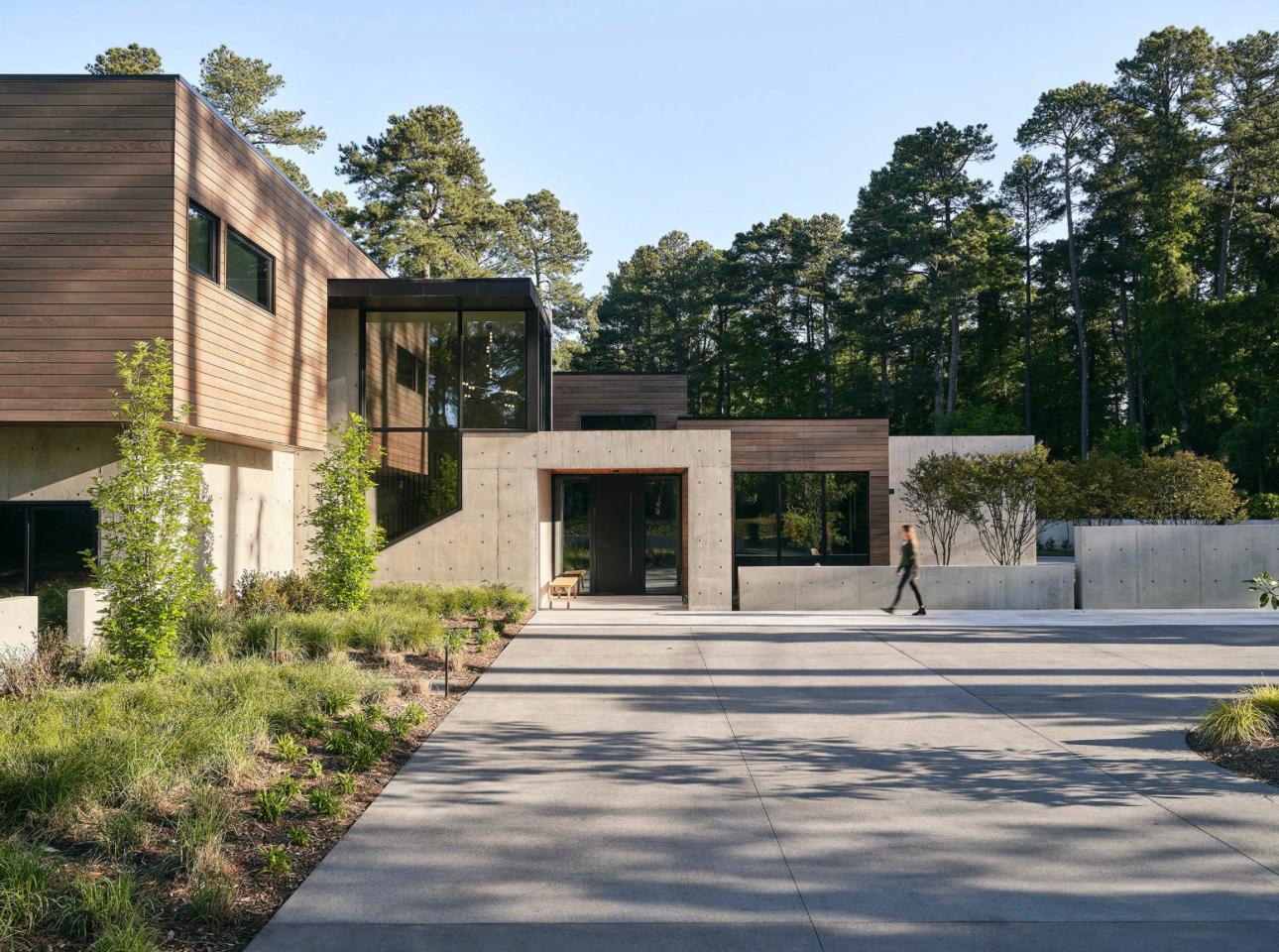
In Raleigh, a bespoke design responds to things a standard plan ignores: the path of the summer sun, the slope toward a creek, a neighbor's window, the canopy that gives the City of Oaks its name. On an inside-the-Beltline lot, it also responds to the street. Raleigh's residential infill standards tie setbacks and side-wall heights to nearby homes, and historic overlay districts require design review. A bespoke designer treats those rules as part of the brief rather than obstacles.
3. Every Detail Is Drawn
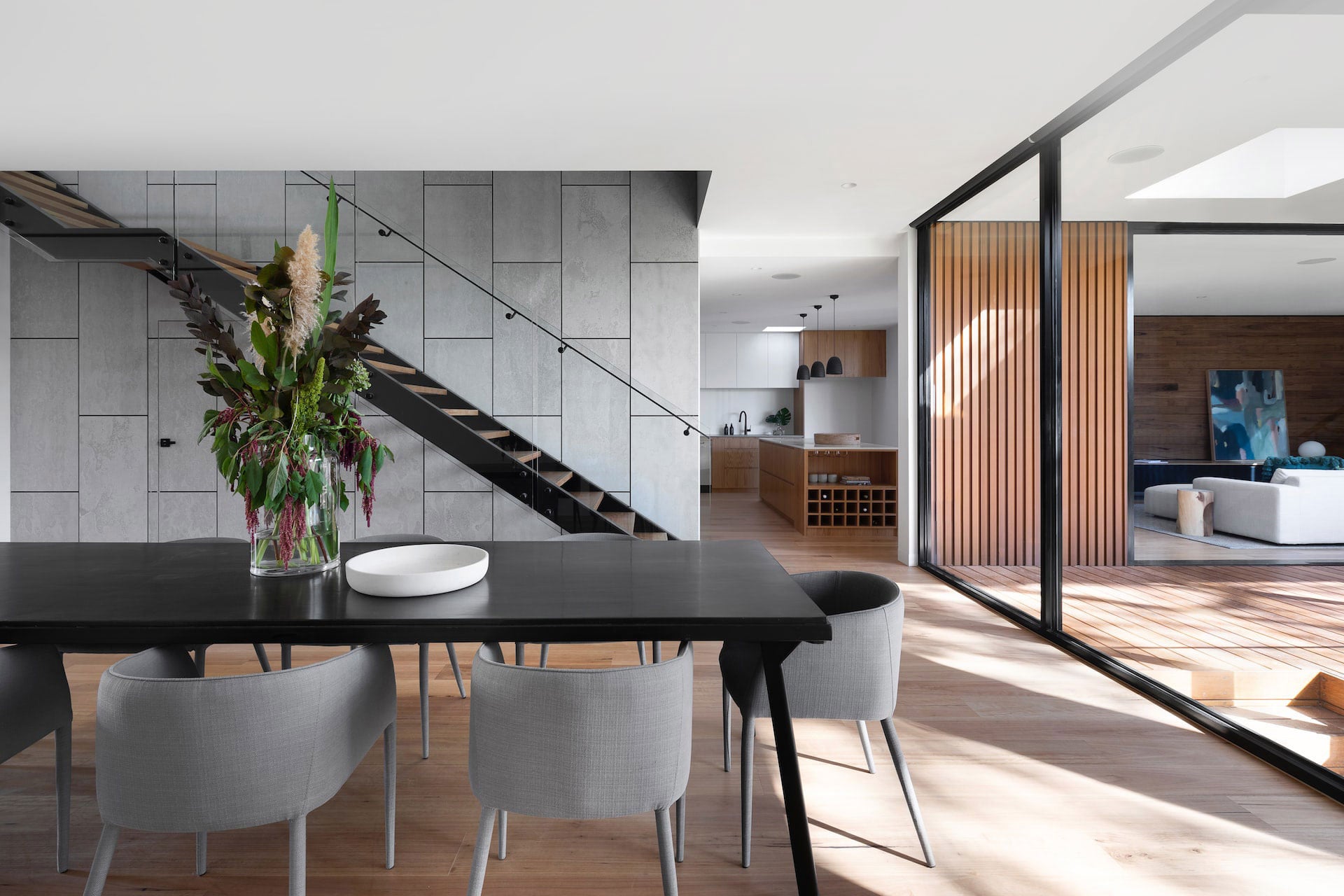
The clearest marker of a bespoke home is how much of it is drawn specifically for the project. Not just rooms, but the stair profile, the door casings, the way the kitchen cabinetry meets the ceiling, the light fixture above the dining table, the built-in bench at the mudroom. Interior architecture, lighting design and landscape are designed as one composition.
4. Craftspeople, Not Just Contractors
Bespoke homes rely on specialists: cabinetmakers, metalworkers, stone fabricators, plasterers and finish carpenters whose work appears in the house as signature pieces. The builder's role shifts toward orchestration, coordinating many skilled trades and protecting the design intent through construction.
5. Materials With a Story
Bespoke clients often want materials with meaning: reclaimed heart pine from a North Carolina mill, brick that matches a family home, stone selected slab by slab, timber from trees removed on the property. Sourcing those takes time and planning, but it gives the home an identity no catalog can match.
6. Technology That Disappears
In a bespoke home, systems are designed in from the start so they disappear: concealed speakers, recessed shade pockets, discreet keypads, mechanical rooms sized for service access. The goal is a house that feels calm and simple even when it is highly automated.
The Trade-Offs
- Cost: design fees, custom fabrication and specialty trades add up. Bespoke homes generally sit at the top of the Raleigh cost range.
- Time: more design rounds, more mock-ups and longer lead times.
- Resale: the more personal the home, the narrower the buyer pool. A bespoke home delivers its best return as a place to live for a long time.
- Decision load: owners make many more decisions. A strong team and a clear design vision make this enjoyable instead of exhausting.
How to Choose the Right Level for You
- How long will you stay? Ten or more years favors more customization.
- How unusual is your lot? Steep, wooded, narrow or historic sites benefit from more design.
- How specific is your lifestyle? Collections, hobbies, multigenerational needs or accessibility requirements point toward custom or bespoke.
- How involved do you want to be? Bespoke is a collaboration that rewards engaged owners.
Frequently Asked Questions
Is a bespoke home always more expensive than a custom home?
Usually, because of design fees, custom fabrication and specialty trades. But a modest bespoke home can cost less than a very large custom home with premium finishes.
Can a builder deliver a bespoke home, or do I need an architect?
Some design-build firms work at a bespoke level. Many bespoke homes pair an independent architect with a builder experienced in high-detail work. Ask to see completed examples and talk to past clients.
Will a bespoke home be harder to sell?
It can take longer to find the right buyer, especially if it is very personal. Designing flexible spaces and timeless architecture helps.
The takeaway: custom means the home fits you. Bespoke means the home could only ever be yours. Both can be exceptional; the right choice depends on your site, your timeline and how long you plan to call it home.
Sources
- City of Raleigh — Residential Infill Development — https://raleighnc.gov/node/39711
- Raleigh UDO Sec. 2.2.7 Residential Infill Compatibility — https://udo.raleighnc.gov/sec-227-residential-infill-compatibility
- City of Raleigh — Historic Design Standards Update — https://raleighnc.gov/projects/historic-design-standards-update
- Block Renovation — Custom Home Building in Raleigh guide — https://www.blockrenovation.com/guides/raleigh-nc-new-house-custom-build-cost-local
- Law of Diminishing Returns in Real Estate (personalized features and buyer pool) — https://sebfrey.com/the-law-of-diminishing-returns-in-real-estate-when-more-isnt-always-better/
Check out this article next