
Raleigh is no longer simply a fast-growing city. It has emerged as one of the Southeast's premier luxury real estate markets, and the design standards appearing in its most prestigious neighborhoods reflect that transformation. From Drewry Hills to North Hills, Inside the Beltline to North Raleigh, 2026 is showcasing a distinctly Raleigh vision of luxury living.
Raleigh's Luxury Market in 2026: The Numbers
The data tells a compelling story about the caliber of home that Raleigh's luxury market is now producing and absorbing. According to Redfin, luxury home prices in Raleigh rose 9.2% year-over-year in 2024, outpacing the national average. In July 2024, new $1 million-plus home listings in the Durham-Raleigh-Chapel Hill Triangle rose more than 44%, while sales at that price level increased 7% from the prior year.
By mid-2025, Raleigh's median luxury price reached $1.5 million, a 7% increase over the prior year. Triangle MLS data shows active $1 to $3 million listings up 26% year-over-year, with under 2.8 months of inventory — a market that favors sellers and rewards well-designed, differentiated properties.
Market Data: Luxury home prices in Raleigh rose 9.2% year-over-year in 2024, outpacing the national average. Active $1–$3M Triangle listings are up 26% YoY with under 2.8 months of inventory.
Trend 1: Timeless Architecture with Modern Interiors
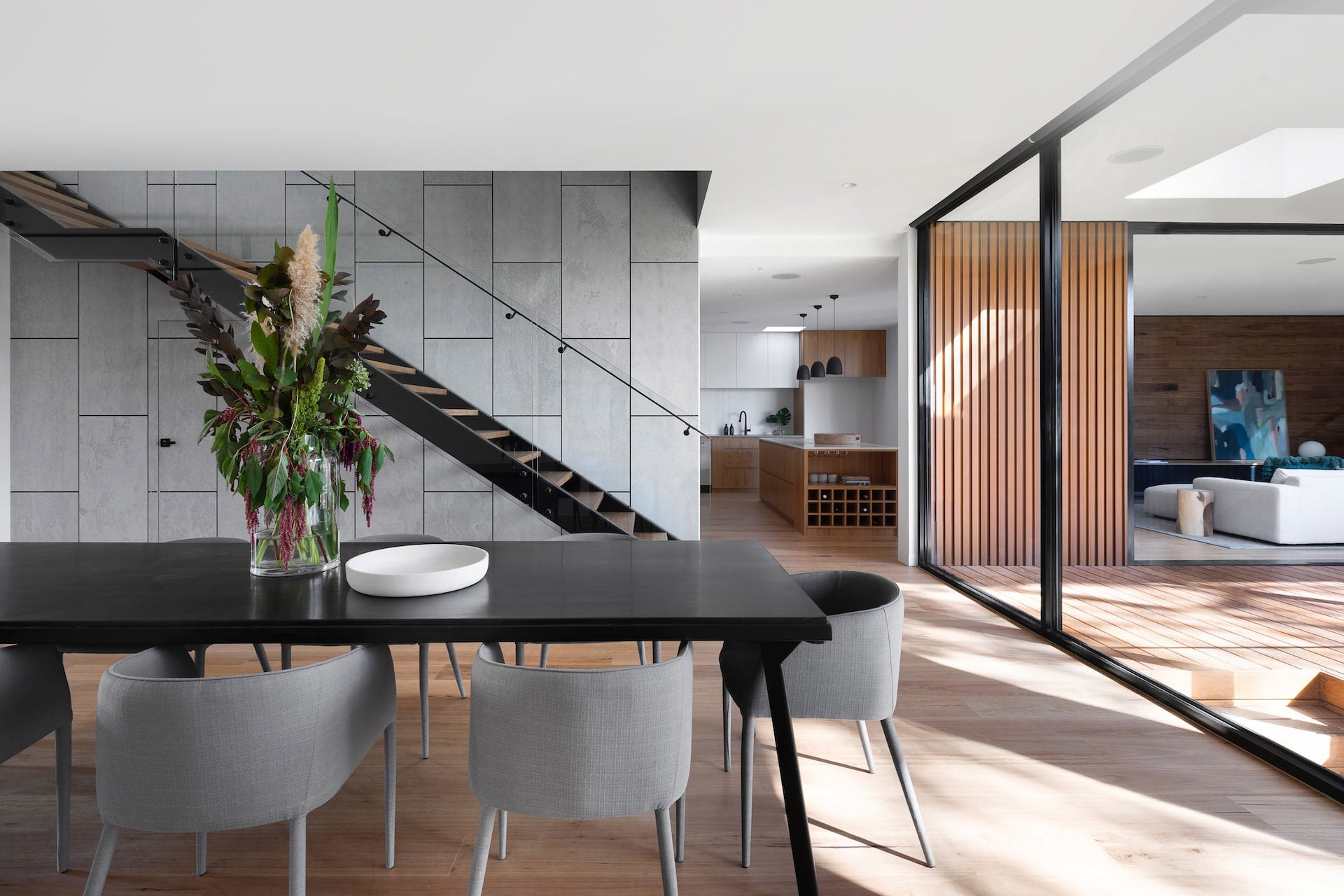
The most compelling luxury homes appearing in Raleigh's neighborhoods in 2026 share a consistent philosophy: honor traditional exterior architecture while delivering completely open, contemporary interiors. The result is a home that feels appropriately rooted in the Southern landscape from the street while flowing like a refined modern showroom inside.
The 2026 Parade of Homes in Raleigh exemplifies this synthesis. Featured estates like The Wimbleton Estate in Drewry Hills showcase Taj Mahal quartzite surfaces, bronze mirror backsplashes, and rift-cut white oak cabinetry within a home that reads as classically traditional from the curb. Custom estates on Raleigh's most coveted streets are blending gracious curved staircases, stone facades, and gas lantern entries with interiors that are completely open, light-filled, and technologically sophisticated.
- Brick, stone, and board-and-batten exteriors paired with clean-lined modern interiors
- Gracious traditional exterior details — gas lanterns, covered porches, dormer windows — with open-plan living inside
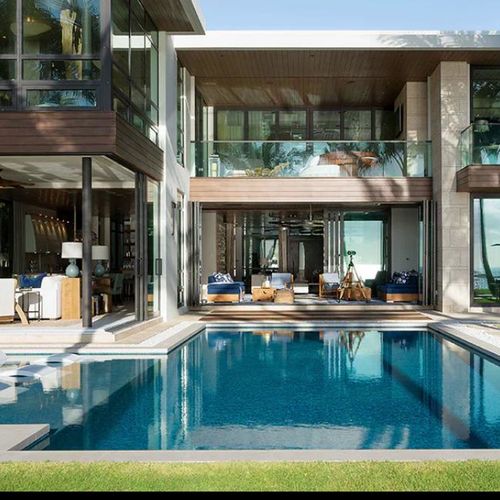
- Seamless indoor-outdoor transitions through oversized sliding or folding glass walls
- Custom millwork and built-ins that honor traditional craftsmanship with modern proportions
Trend 2: Wellness-Centered Design
Raleigh's luxury homeowners in 2026 are requesting dedicated wellness spaces as baseline features rather than optional upgrades. The home-as-sanctuary concept has moved from aspiration to expectation. Spa-like primary bathrooms with steam showers, soaking tubs as sculptural centerpieces, and radiant floor heating are now standard deliverables in the Triangle's top custom builds.
- Steam showers with chromotherapy lighting and integrated Bluetooth sound systems
- Floating vanities in white oak, walnut, or custom painted wood for warmth and visual lightness
- Freestanding soaking tubs positioned as sculptural focal points within the bathroom's architecture
- Zellige, handmade, and artisan tile as statement surfaces replacing generic large-format tile
- Dedicated home gyms, yoga studios, and meditation rooms as standard program elements in new builds
Bathrooms in 2026 are being designed as genuine wellness retreats — spaces that promote daily restoration and that clients in North Hills, Five Points, Inside the Beltline, Cary, Apex, and Wake Forest are using as powerful differentiators when listing their homes.
Trend 3: Multi-Functional & Adaptive Spaces
With a significant portion of Raleigh's workforce now operating on hybrid or fully remote schedules — particularly in the Triangle's technology and life science sectors — the demand for purposefully multi-functional spaces has become a defining design priority. Rooms that transition fluidly between home office, guest bedroom, and media or fitness space are increasingly common in luxury builds and renovations.
- Built-in shelving, fold-away desks, and Murphy bed systems that convert rooms without compromise
- Acoustic panels and soundproofing in home office spaces for professional video calling
- Flex rooms with dedicated HVAC zones that can serve as gyms, studios, or guest suites
- Smart storage systems that maximize usability in urban luxury properties with smaller footprints
Trend 4: Sustainable Materials & Energy Efficiency
Raleigh's luxury homeowners are increasingly specifying sustainable materials and energy-efficient systems as part of their standard build or renovation program. Bamboo flooring, reclaimed wood accents, locally sourced stone, and low-VOC finishes represent both environmental values and design sophistication. Energy efficiency is no longer a compromise — it is a performance standard.
- Solar-ready infrastructure built into new construction from the ground up
- High-performance exterior insulation and window packages for dramatically reduced energy loads
- Reclaimed wood accent walls and exposed beam ceilings combining sustainability with warmth
- Low-maintenance native landscaping tied into smart irrigation systems
- Energy-efficient windows with double or triple panes for insulation and noise reduction
These energy-efficient features align with rising interest in eco-conscious living and demonstrably increase home value — a powerful combination that resonates with Raleigh's highly educated, environmentally aware luxury buyer demographic.
Trend 5: Bold, Personality-Driven Exterior Design
Curb appeal is being fundamentally reimagined across Raleigh's luxury neighborhoods. Homeowners and builders are decisively moving away from builder-grade exterior finishes toward custom material combinations that reflect individual character and suit the specific architectural language of each home.
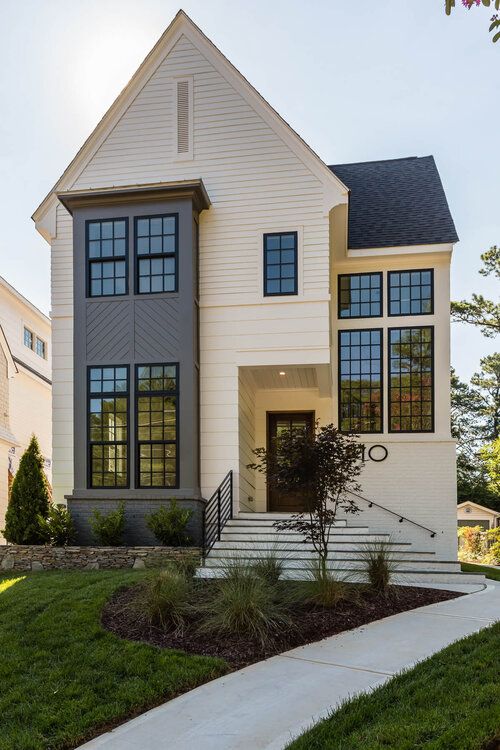
The all-gray color palette that dominated luxury exteriors for most of the previous decade is fading, replaced by warmer tones with more nuance and personality. The overly rustic farmhouse aesthetic is giving way to cleaner lines, refined material combinations, and more deliberately architectural choices. Expect to see brick paired with wood siding, metal roofs with natural stone accents, deeply colored front doors as deliberate focal points, and front porches designed as genuine social spaces.
- Mixed-material facades: brick with board and batten, stone with painted wood trim
- Metal roofing in standing seam profiles for contemporary appeal and superior longevity
- Front doors in deep, personality-driven colors — hunter green, navy, black, deep red
Covered front porches with architectural railings, curated lighting, and social seating
Check out this article next