
A comprehensive, phase-by-phase timeline and cost guide for anyone planning to build a luxury home in Raleigh, based on national construction data and local permitting realities.
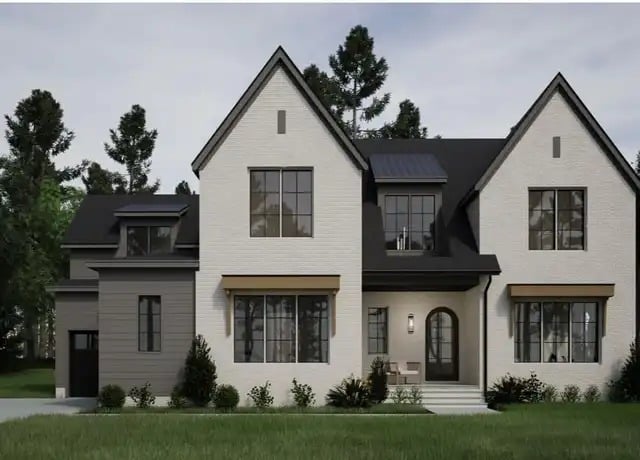
It's one of the first questions every buyer asks a Raleigh custom home builder: how long will this actually take, and what will it cost along the way? The honest answer is that a true custom home rarely follows a single, simple number. National data from the U.S. Census Bureau's Survey of Construction puts the average single-family build at roughly 9 to 13 months from permit to completion — but that figure includes production homes built from repeatable plans. Fully custom homes Raleigh NC buyers commission, with architect-designed plans and high-end finishes, typically run 12 to 22 months from signed design agreement to move-in, and complex luxury estates with imported materials or challenging lots can stretch to two years or more.
This guide breaks down every phase of the process, the cost ranges attached to each, and the factors most likely to add — or save — weeks off your schedule.
Phase 1: Pre-Design and Lot Preparation (6-12 Weeks)
Before an architect draws a single line, the lot needs to be secured, the project team assembled, and the program — square footage, room adjacencies, and budget — locked down. Skipping or rushing this phase is the single most common reason luxury home development Raleigh projects run over schedule later. This is also when a geotechnical soil study and preliminary site survey should happen, particularly on wooded or sloped lots common in North Raleigh.
Phase 2: Design (8-16 Weeks)
Schematic design, design development, and construction documents typically take two to four months for a 3,000-5,000 square foot custom home, longer for larger or architecturally complex estates. Architectural and design fees generally run 5 to 15 percent of total construction cost. This is the phase where floor plans, elevations, and major material selections are finalized — and where the plan for capturing natural light through window placement and orientation gets locked in.
Phase 3: Permitting
Permit review timelines vary by jurisdiction. Wake County and City of Raleigh review cycles can move efficiently for straightforward plans, but complex custom designs, well or septic coordination on larger estate lots, or properties requiring variances can add weeks to months. Budget $1,500 to $5,000 for permit and inspection fees alone, and expect North Carolina's increasingly strict energy code requirements — duct sealing, blower-door testing, and in some cases ERV/HRV systems — to require careful coordination between your architect and builder.
Phase 4: Site Work and Foundation (4-8 Weeks)
Clearing, grading, utility connections, and foundation work follow. Wooded, sloped, or irregular Raleigh homesites — common in sought-after in-town and North Raleigh neighborhoods like Norwood Ridge and Bay Leaf Estates — often need more careful, and slower, site preparation than a flat suburban lot. Two lots that look identical on paper can carry a $40,000 to $80,000 difference in site preparation costs depending on soil type, drainage, and slope.
Phase 5: Framing and Dry-In (6-10 Weeks)
Framing accounts for a meaningful share of total construction cost and time, especially with vaulted ceilings, custom rooflines, or expansive window walls designed to capture natural light. Custom window packages can carry 8 to 14 week lead times, so ordering early protects the schedule — windows arriving late remains one of the most common causes of framing-phase delay.
Phase 6: Mechanical Rough-In and Finishes (4-8 Months)
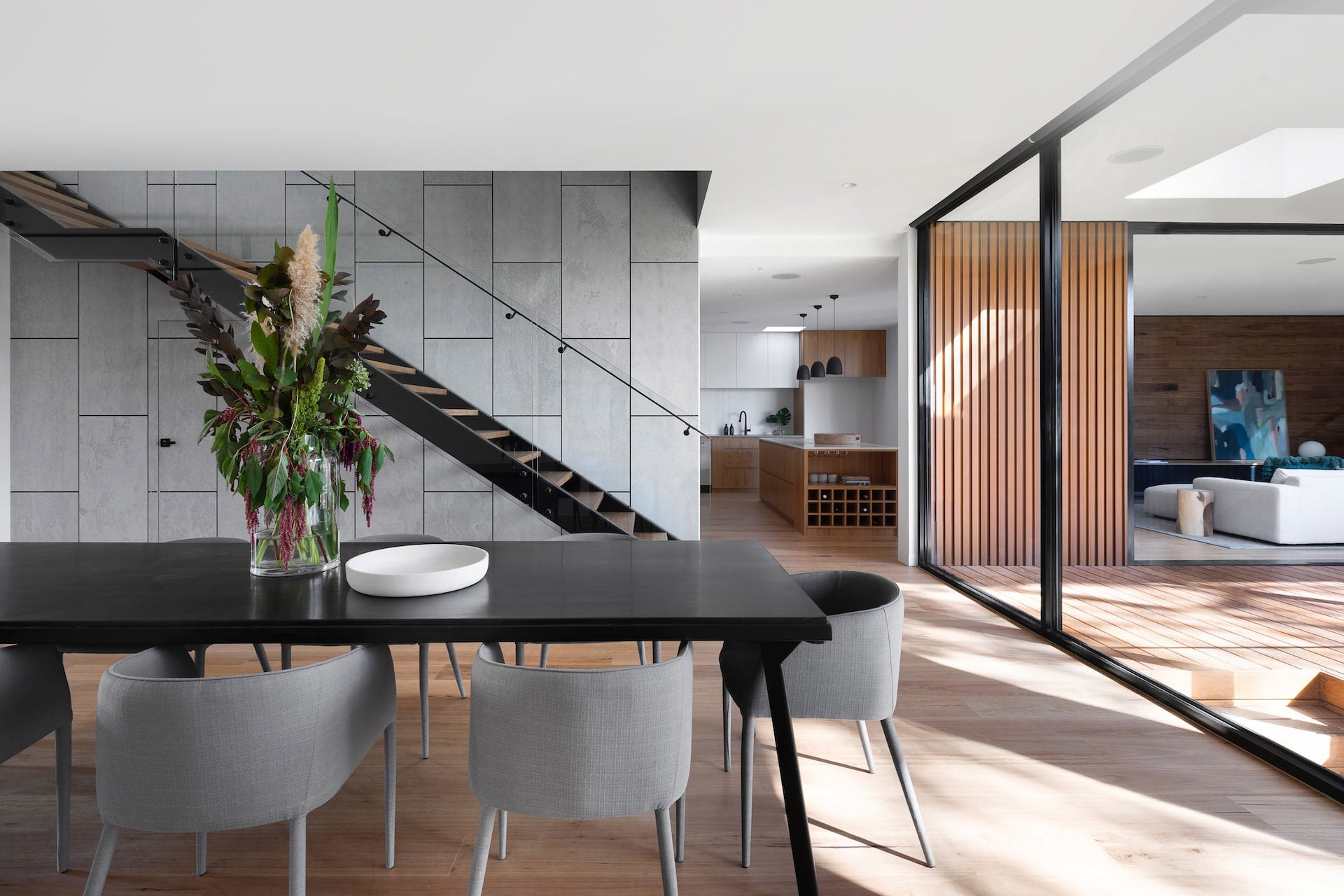
This is the longest phase of any luxury build and the one that most defines the word 'custom.' Cabinetry, millwork, imported stone, and specialty tile all carry their own lead times, and the pace of homeowner decision-making on selections is often the biggest variable left in the schedule. Labor shortages in electrical, plumbing, and HVAC trades have not eased, and 6 to 10 week subcontractor scheduling gaps are common in 2026's busy Triangle market.
Phase 7: Final Inspections and Walkthrough (2-4 Weeks)
Punch lists, final inspections, and a full systems walkthrough close out the project before keys are handed over. A failed inspection that requires reopening finished work can add $2,000 to $10,000 and several weeks, which is why most experienced builders recommend scheduling inspections with buffer time rather than back-to-back.
What a Raleigh Luxury Build Actually Costs
- Semi-custom construction in the Triangle: roughly $200-$300 per square foot.
- Mid-range full custom: roughly $300-$450 per square foot.
- Luxury custom with premium finishes: $450-$700+ per square foot, with some ultra-high-end projects exceeding $700.
- A 3,000-square-foot mid-range custom home: typically $900,000-$1,350,000 in construction cost alone, before land.
- Soft costs — design, engineering, permits, and financing carry — typically add 20-30% on top of hard construction costs.
- Industry guidance for 2026 recommends a 10-15% contingency at minimum, and up to 20% on sites with unknown subsurface conditions.
So, What's a Realistic Number?
For most buyers working with an experienced luxury home builder Raleigh trusts, plan on 14 to 22 months from signed contract to move-in for a fully custom home in the 4,000-7,000 square foot range. Larger estates, hillside or wooded lots, and imported finishes can push that toward 24 months or beyond. The buyers who stay closest to their target date are the ones who finalize selections early, lock in window and cabinetry orders well ahead of the framing phase, and resist the temptation to make major design changes once construction has started.
Check out this article next