
How Research Triangle Park's expansion, major corporate investment, and rising tech wages are reshaping where and how Raleigh's wealthiest buyers choose to live.
Research Triangle Park: The Engine Behind the Boom
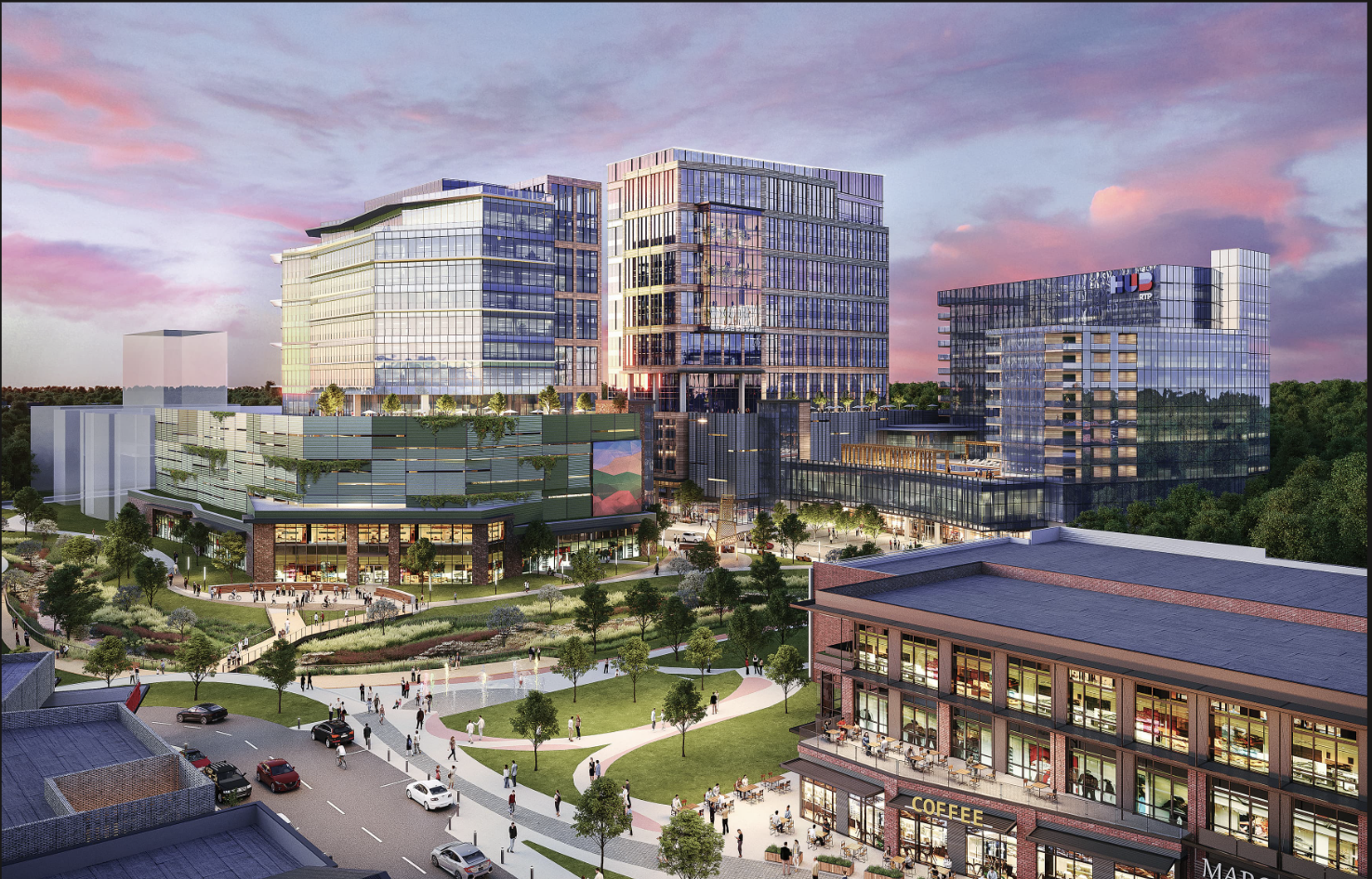
Since opening in 1959, Research Triangle Park has grown into one of the largest research and technology campuses in the world. Today RTP spans roughly 7,000 acres and is home to more than 375 companies and over 65,000 employees working across software, biotechnology, and advanced manufacturing. Anchor employers include IBM, Cisco, SAS Institute, Red Hat, Lenovo, and a growing biotech presence from companies such as Biogen and Amgen, alongside major investments from Apple, Google, and Amazon in recent years.
This concentration of corporate investment has made the broader Raleigh-Durham region one of the most resilient tech labor markets in the South. Commercial Cafe's most recent analysis of 20 major metros ranked Raleigh the third-best city in the South for tech careers, based on metro growth, tech employment density, median tech earnings, and low unemployment.
The Wage Effect on Housing Demand
Tech compensation in the Raleigh metro has grown into a meaningful driver of housing demand at the top of the market. The average tech salary in the region now comfortably exceeds $151,000 annually, more than three times the area's median household income, and mid-level AI engineer salaries rose 9.2% year-over-year in 2026 alone, according to the Motion Recruitment Tech Salary Guide. Senior engineers, AI specialists, and product leaders frequently earn considerably more: senior AI engineering roles at companies like Lenovo's Morrisville headquarters range from roughly $143,000 to over $206,000, while staff-level product engineering roles at Raleigh-born firms like Pendo can reach $198,000 to $288,000.
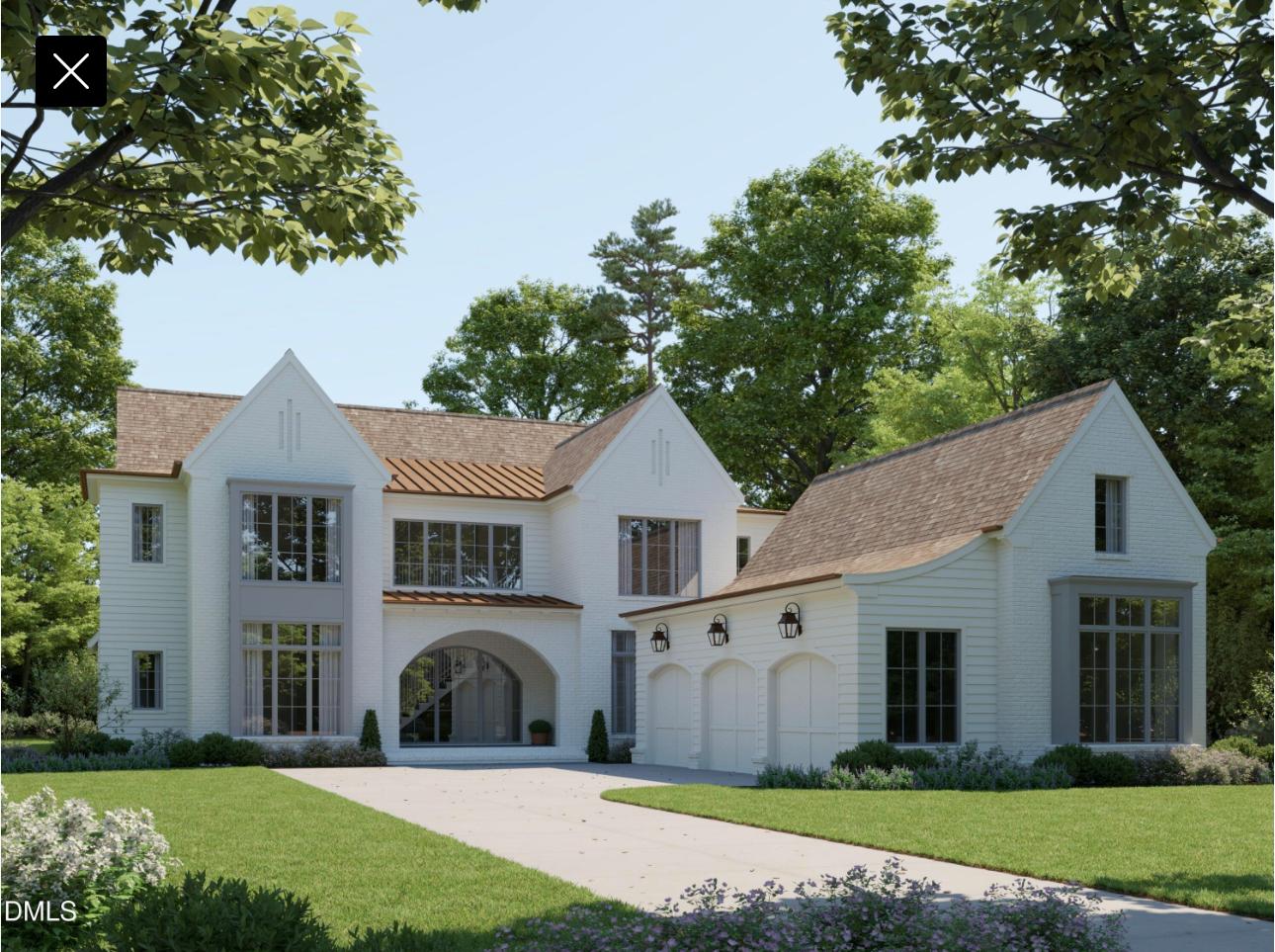
This wage profile gives a substantial and growing pool of buyers the purchasing power to compete directly in Raleigh's $700,000-plus luxury segment, a dynamic that has measurably reshaped neighborhood-level pricing over the past decade.
Metric | Figure |
RTP companies | 375+ |
RTP employees | 65,000+ |
Average Raleigh-metro tech salary | $151,000+ |
Tech workforce growth, 2021–2024 | 15.4% |
Raleigh-Durham software engineers in tech sector | 55% |
Mid-level AI engineer salary growth (YoY, 2026) | 9.2% |
Where Tech Money Is Reshaping Neighborhoods
The neighborhoods closest to major tech campuses have led the metro's appreciation. Communities such as Cary, Morrisville, and Apex, all within a 10- to 20-minute commute of RTP, have become especially desirable among tech employees seeking strong public schools, walkable mixed-use development, and a range of housing stock from starter townhomes to large executive estates. Within Raleigh proper, North Hills and North Raleigh have absorbed much of this demand, with North Hills posting year-over-year price growth more than double the citywide rate.
Downtown Raleigh and Durham's American Tobacco Campus corridor have also benefited, anchored by employers like Red Hat, Pendo, and Google's Durham engineering hub, drawing younger, well-compensated professionals toward walkable urban luxury condominiums and townhomes.
The AI Wave and What It Means for 2026 and Beyond
Artificial intelligence is reshaping Raleigh's tech economy in real time. While analysis suggests a meaningful share of existing technology roles in North Carolina could be significantly affected by AI-driven productivity tools, the regional ecosystem is adapting rather than contracting. Companies including SAS, Cisco, Red Hat, and Lenovo are actively hiring for AI-specific roles, and demand for specialized AI talent is outpacing the broader IT labor market. For the housing market, this matters because it signals continued, not diminishing, high-income job creation in the region, the single most important leading indicator for luxury housing demand.
Construction Can't Keep Pace
As thousands of new tech workers and their families arrive in the Triangle each year, new home construction has struggled to keep pace, constrained by permitting timelines, skilled labor shortages, and rising land costs. This supply-demand imbalance is a key reason luxury inventory in desirable, employer-adjacent neighborhoods continues to receive multiple offers even as the broader Raleigh market has cooled from its pandemic peak.
What This Means for Buyers, Sellers, and Investors
- Buyers relocating for tech roles should expect to compete with other high-income transplants in the most employer-adjacent neighborhoods, but will find more breathing room in the broader $700K-plus tier than during 2021–2022.
- Sellers in neighborhoods near RTP, downtown Raleigh, or the Cary-Morrisville-Apex corridor are well positioned to benefit from sustained tech-driven demand.
- Investors should watch corporate relocation and expansion announcements closely; each major employer commitment has historically preceded measurable, neighborhood-specific price appreciation within 12 to 24 months.
The Steeloak Perspective
Raleigh's luxury housing market and its technology economy are now deeply intertwined. Understanding which companies are hiring, where their employees are choosing to live, and how compensation trends are shifting gives Steeloak clients a meaningful edge, whether they are buying their first Raleigh estate or positioning a property for sale to the next wave of relocating tech talent.
Relocating to Raleigh for a tech or biotech role? Let Steeloak match you with neighborhoods built for your commute, lifestyle, and budget.
Check out this article next